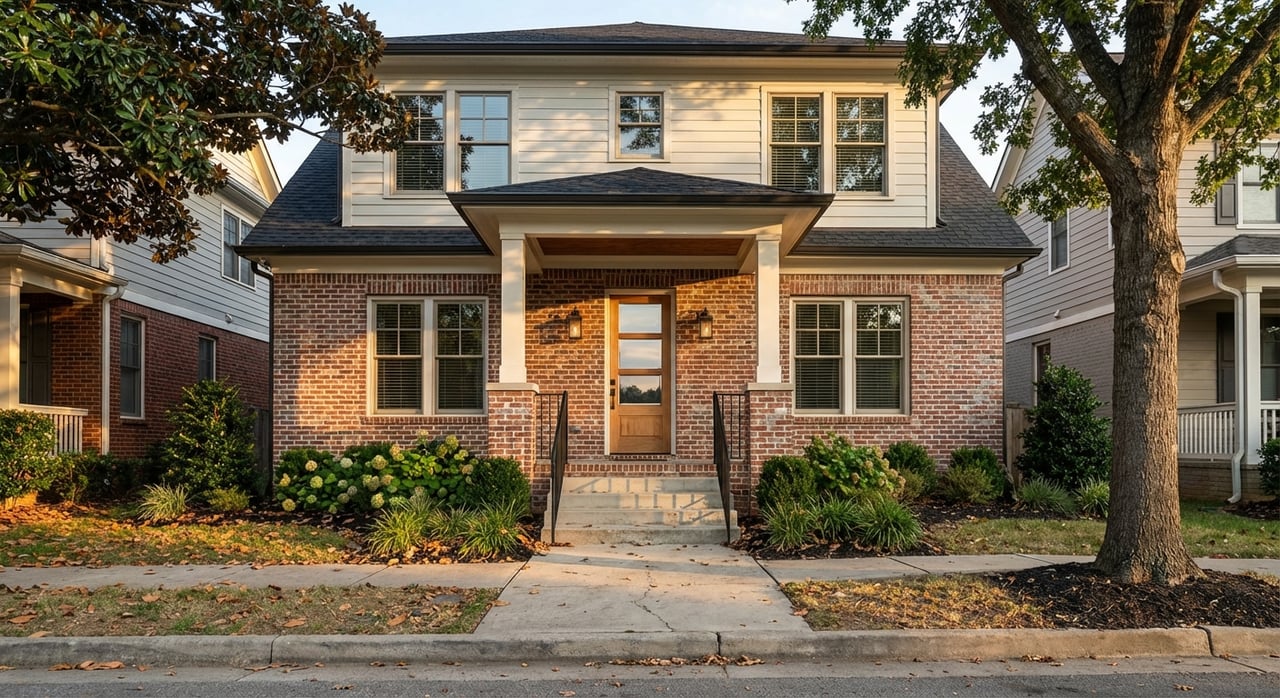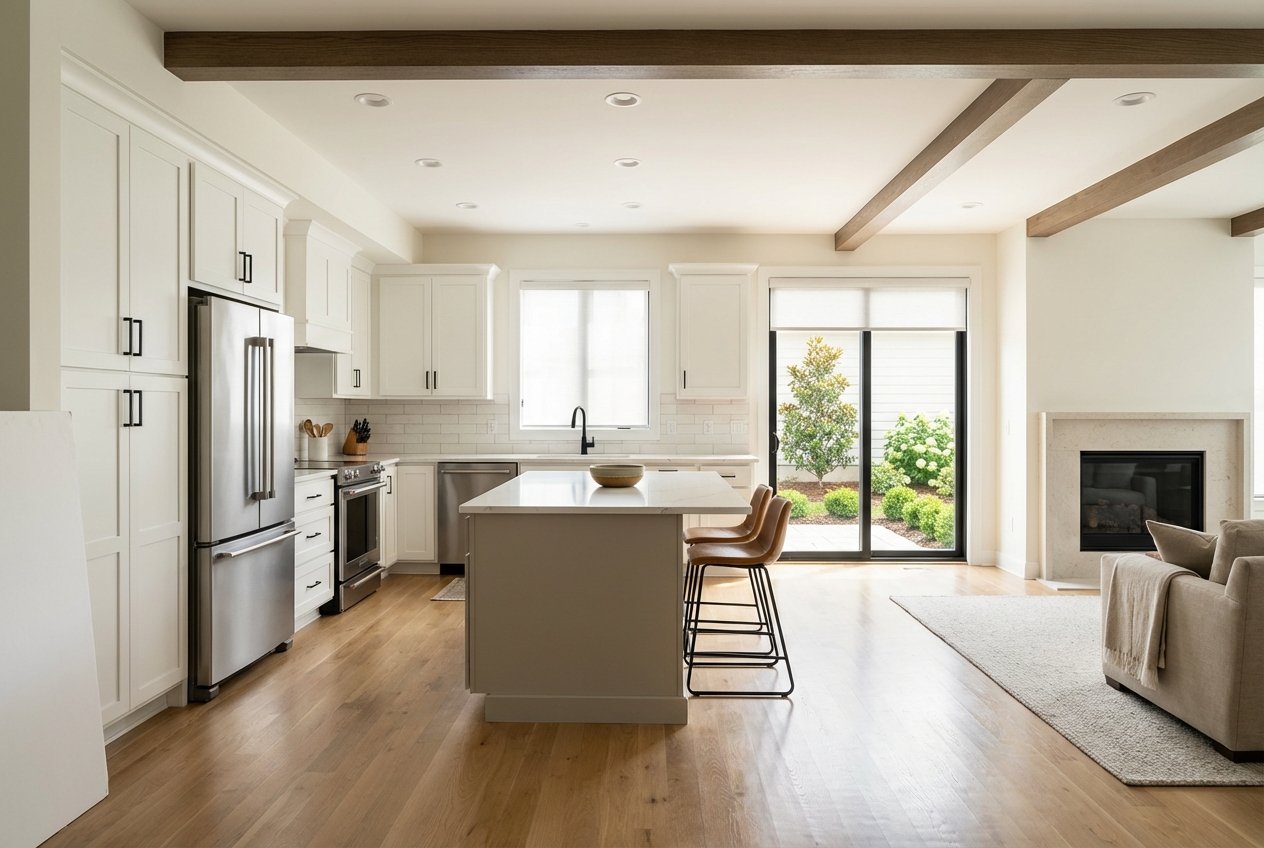
Starting a new role in Rocket City and not sure where to live? You are not alone. Huntsville and Madison have a lot of housing options, from historic downtown homes to brand-new builds near major employers. In this guide, you will get clear price ranges, commute insights, and a simple plan to find the right home fast. Let’s dive in.
The short version: what homes cost now
If you want a quick feel for pricing, look at vendor-labeled ranges. Zillow’s Home Value Index for Huntsville shows a typical home value near $280,300 as of Jan 2026 (Zillow ZHVI). Redfin reports a higher median closed-sale price around $333,000 for the same month and a citywide price near $162 per sq. ft. (Redfin, Jan 2026). Realtor.com’s city overview lands in a similar band and shows price per square foot around $169 for Huntsville. These differences are normal because each source measures different things.
Madison is usually pricier than Huntsville. Redfin’s Jan 2026 median sale price for Madison is about $482,500. If you are comparing areas, a simple rule is Huntsville’s typical values fall roughly $280K to $360K depending on the source, while Madison’s medians more often sit ~$370K to $483K across vendor reports.
How fast do homes move? Redfin shows a median days on market around 82 days in Jan 2026 for Huntsville. Zillow’s “median days to pending” at the end of Jan 2026 is ~44 days. The gap comes from how each measures time. Big picture, buyers have more time than in 2021–2022, but clean, well-priced homes still go quickly.
Inventory is up from the peak frenzy, and new construction is a meaningful slice of activity in Madison County. Local coverage that cites MLS data reported new-builds were roughly 30% of sales in Q2 2025. That is useful if you want flexible timelines or builder incentives. You can read more context in this local recap of housing pace and inventory shifts that quotes HAAR and MLS commentary from 2025 coverage in Axios’ Huntsville section here.
Where jobs are and how to plan your commute
Most incoming professionals work in one of three clusters: Redstone Arsenal and NASA’s Marshall Space Flight Center, Cummings Research Park, and the growing private aerospace and defense employers that surround them. Cummings Research Park alone hosts hundreds of companies and is one of the largest research parks in the country. Explore the official park overview on the Cummings Research Park site.
Federal and defense shifts add to demand over time. Coverage in 2025 highlighted the U.S. Space Command relocation to Huntsville, which supports multi-year growth for technical roles, even as some federal staffing programs adjusted. You can scan a summary of that move in this Axios report on Space Command and Huntsville.
Commutes are shorter than many metros. The Census’ QuickFacts shows a mean travel time of about 19.3 minutes for Huntsville and about 20.2 minutes for Madison. Treat those numbers as a baseline when you pick neighborhoods. If your goal is a sub-20-minute drive, focus inside that radius and test the route during your actual work hours. For data context, review the Census city snapshot on Huntsville QuickFacts.
The main roads to know are Memorial Parkway for north–south travel and I‑565 for east–west trips linking downtown, Cummings Research Park, and the Interstate network. Public transit is available but limited for most commuters. Huntsville Transit’s Orbit routes and parking upgrades are improving access, but most professionals rely on a car. The city’s recap of 2025 transportation updates is helpful if you are planning a hybrid living-and-parking strategy. You can read that on the City of Huntsville blog.
Neighborhoods and price bands at a glance
Below is a plain-English snapshot of popular areas and what you are likely to find. Prices vary by street, condition, and lot. Use the bands as a starting point and verify active comps when you are close to writing an offer.
Downtown and historic districts
Think Twickenham, Five Points near downtown, Lincoln Mill, and the city center. You will see renovated 19th and early 20th century homes, downtown lofts, and higher-end infill. Historic districts often carry premium per-square-foot pricing. Larger historic homes and top-tier infill can run $500K to over $1M, while smaller bungalows or condos nearby may sit lower.
Close-in midtown
Areas like Five Points, Blossomwood, and Providence offer older bungalows, mid-century ranches, and updated homes close to city amenities. Many buyers like the short commute and neighborhood feel. A common price band is roughly $300K to $600K, with homes in Blossomwood and Providence tending toward the upper end depending on size and finishes.
Monte Sano and park-adjacent homes
On and around Monte Sano you will find custom homes, view lots, and older cottages mixed with modern builds. Prices can range from the middle tiers to premium depending on the specific location, lot size, and views. Expect a diverse mix of architecture and a range of budgets.
Master-planned and golf-course communities
Hampton Cove, Lake Forest, and some Providence-area communities offer newer single-family homes, HOA amenities, and golf access in places like Hampton Cove. Pricing often spans about $350K to $800K+ based on lot, age, and proximity to golf or lakes.
North-of-Madison and new-build corridors
Madison city and the northern corridors that include Meridianville, Harvest, and New Market feature many newer subdivisions. The draw is more square footage and newer systems, often at a lower price per square foot than historic or downtown areas. Madison’s medians frequently sit in the mid-$300Ks to mid-$400Ks across vendor reports, with many family-size homes between $350K and $650K depending on neighborhood and finishes. New construction remains a large share of recent county sales, which can help if you need flexible possession dates.
A simple, proven relocation plan
Use this step-by-step workflow to move from airport to keys in hand with less stress.
- Financial prep (day 0)
- Get fully pre-approved, not just pre-qualified. Ask lenders about appraisal and underwriting timelines common in Huntsville and Madison. If you are a federal employee or contractor, confirm any lender overlays that may apply to your role.
- Employer and relocation check (day 0–7)
- Ask HR about preferred lenders, temporary housing allowances, and any recommended neighborhoods. Many local employers provide a relocation packet. If your company offers a stipend or buyout program, note the deadlines now.
- Build your commute-based short list (day 7–14)
- Create three commute targets: under 15 minutes, 15–25 minutes, and 25–40 minutes from your primary workplace. Pick 2–3 neighborhoods in each band. Keep a running list of price bands and home types so you can compare apples to apples. For MLS-sourced local context, scan the University of Alabama’s ACRE reports for Huntsville–Madison here.
- Decide rent-first or buy-now (week 2)
- If you must start work quickly or want to learn the commute and lifestyle before committing, consider renting first. The 2025 shift toward higher inventory gave many buyers a bit more breathing room than the peak years, and that can make a rent-then-buy plan practical. Local coverage of the market’s pace and inventory changes is summarized in this Axios piece on housing trends.
- On-the-ground checks (week 3–4)
- Visit target neighborhoods during AM and PM rush, midday, and weekend evenings. Check grocery, dining, and parking access. If schools are a factor, review district boundaries and official resources to understand programs and policies. District offerings and enrollment policies can change, so rely on current district sources.
- Set alerts and choose your agent (ongoing)
- Turn on listing alerts tuned to price, neighborhood, and key features. Work with a local agent who handles relocations routinely and understands federal contractor timelines and builder contracts. Ask which neighborhoods are closing fastest and which builders provide buyer-friendly protections. Use MLS-backed context from ACRE as needed in this regional dataset.
- Offer tactics when you find “the one”
- Lead with a strong pre-approval. Use realistic closing windows, often 30–45 days locally. Keep contingencies you need, and only limit them when you fully understand the risk. If competition appears, talk about earnest money, an escalation clause, and a clean but protective inspection strategy.
- Inspect, insure, and close
- Schedule inspections early, review any HOA or builder disclosures, and get home insurance quotes tailored to the specific lot. Alabama property taxes are generally lower than many states, but insurance costs can vary by property type and location.
Smart offer strategy in today’s market
You generally have more time than in the peak pandemic years, but not all homes sit. Listings that are updated, well located for commutes, and priced correctly still attract heavy interest. Stay ready with funding, documents, and a clear ceiling price. Ask the listing agent about the seller’s ideal timeline and inclusions so your offer fits more than the number.
If you are drawn to new construction, compare builder incentives with your lender’s credits and factor in the total cost of upgrades. As a licensed builder and local broker, I encourage you to treat the inspection on a new home with the same care as a resale. You want a smooth punch-list and a tight close.
Final thoughts and next steps
A clear plan and local context make your move smoother. Start with your commute radius, then focus on two or three neighborhoods that match your lifestyle and budget. If you want a second set of eyes on pricing, construction quality, or builder contracts, I am here to help. Schedule a conversation with Allison Chappell to map your search and move with confidence.
FAQs
Is Huntsville a buyer’s or seller’s market in early 2026?
- Signals are mixed: inventory is higher than peak frenzy, and vendor metrics show multi-week market times, but well-priced homes in prime commute locations still move quickly. Label all pricing and speed numbers by source when you compare.
How much should I budget for a home near Research Park?
- Huntsville’s typical values run about $280K to $360K depending on the source and timeframe, while Madison’s medians often trend higher, commonly ~$370K to $483K. Your final target depends on size, condition, and the exact neighborhood.
Are there many new-construction options around Huntsville–Madison?
- Yes. Local coverage that cites MLS data reported new-builds made up roughly 30% of Madison County sales in Q2 2025, which can help with timelines and incentives. See a local pace overview in Axios’ Huntsville housing coverage.
What are average commute times in Huntsville and Madison?
- Census QuickFacts shows Huntsville’s mean travel time at about 19.3 minutes and Madison around 20.2 minutes. Use those as baselines, then test-drive your route at your actual work hours.
Do I need a car to commute in Huntsville?
- Most professionals drive. City Transit’s Orbit offers fixed routes and event shuttles, and the city continues to invest in upgrades, but a car or a hybrid plan usually offers the most flexibility for daily commutes.