Thinking about a move to Nashville and trying to picture real, day-to-day life here? You are not alone. Between fast-changing housing costs, growing traffic, and a packed music calendar, it can be hard to separate the highlight reel from everyday rhythms. In this guide, you’ll get a clear look at where people live, how they get around, and what weekends feel like, backed by current data and local context. Let’s dive in.
Housing snapshot: what you’ll find
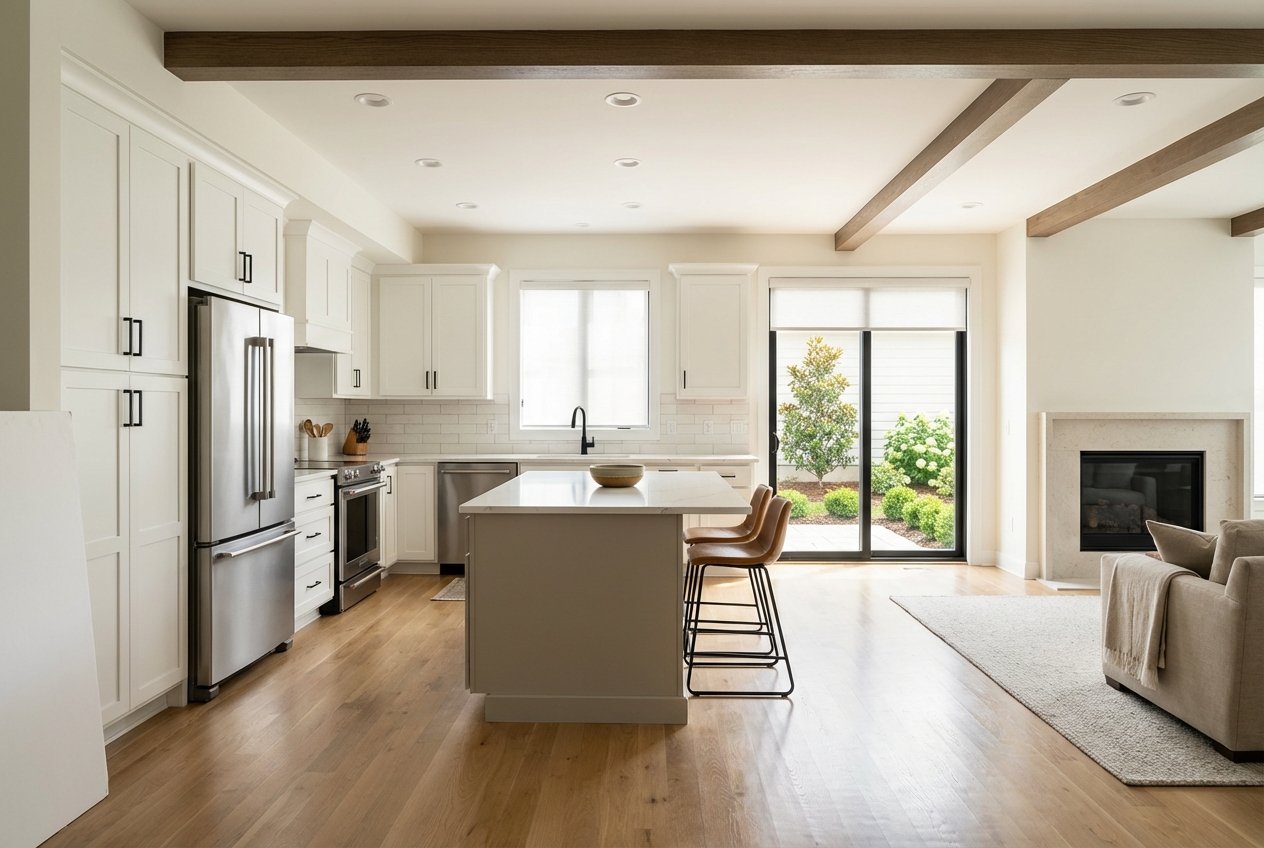
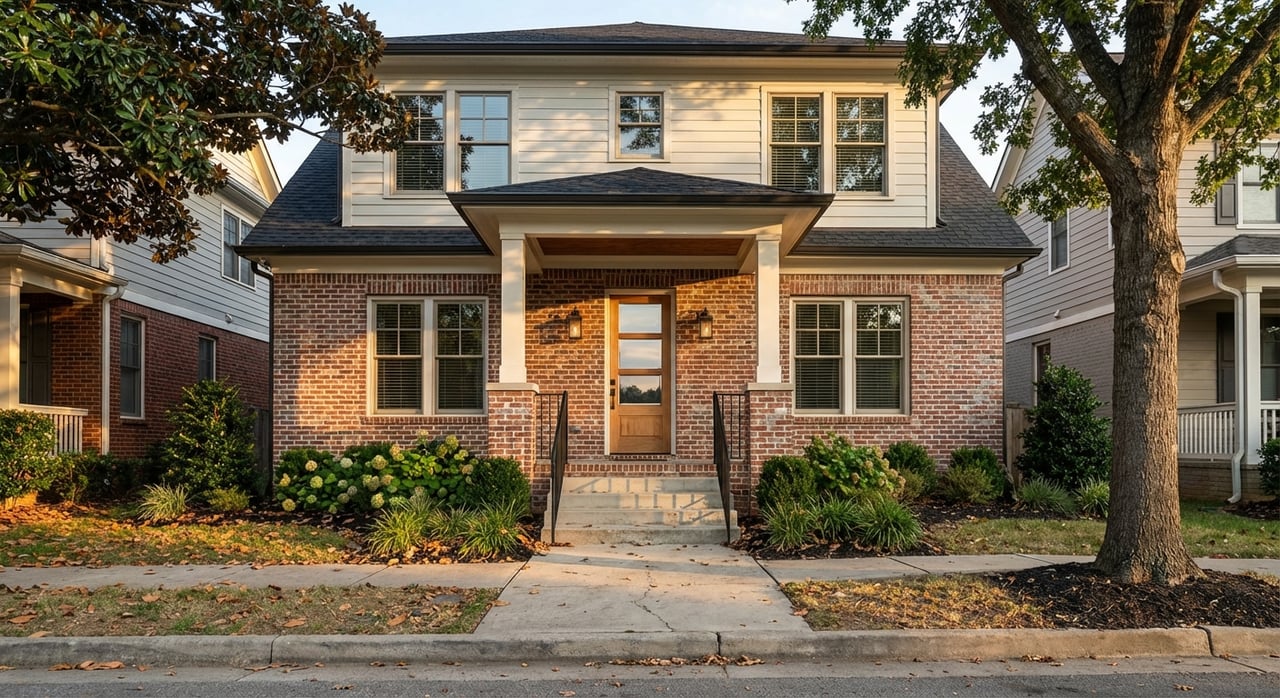
Nashville offers a mix of urban condos, historic homes, townhouses, and classic suburban neighborhoods. The urban core around Downtown, SoBro, Midtown, and The Gulch leans toward mid to high-rise condo and apartment living. Just outside the core, areas like 12South, Germantown, East Nashville, and Sylvan Park bring a blend of historic bungalows, renovated cottages, and newer infill townhomes. Farther out, you’ll see more single-family homes and new subdivisions across Davidson County and neighboring communities.
A few quick facts help frame the market. The city’s population is about 705,000 as of mid-2024, and it has grown modestly since 2020. Owner-occupied housing runs near 52 percent, with a median value of roughly $413,600 for owner-occupied homes and a median gross rent around $1,586 for the 2020 to 2024 period, according to U.S. Census QuickFacts.
Current asking rents tend to be higher than the multi-year Census median. Private listing trackers show median asking rents in the roughly 1,900 to 2,300 dollar range in early 2026, based on Zumper’s Nashville rent research. For home prices, different providers report different medians depending on method and timing. Recent monthly reports often show medians in the mid 400s to low 500s; for example, Redfin reported a median in the mid 400s in January 2026. When you compare neighborhoods, always note the provider and date, since numbers change quickly.
Neighborhood fit at a glance
- Downtown, SoBro, The Gulch: Walkable, condo-focused, and close to offices, arenas, and live music.
- Germantown, 12South, Sylvan Park: Street-level shops and cafés, a mix of historic homes and newer townhouses, and easy access to parks and greenways.
- East Nashville, Five Points: A strong local dining and arts scene with renovated bungalows and small-lot infill.
- Suburban Davidson and nearby counties: More single-family options, newer construction, and larger lots. Many residents commute into the city.
What your budget buys
Your dollar goes farthest as you move away from the core, but there are tradeoffs. Condo living downtown often comes with higher monthly dues in exchange for amenities and location. In the inner neighborhoods, renovated cottages and townhomes offer a middle ground on price and space. In the suburbs, new construction and larger homes are more common, along with garage parking and yard space.
Renting vs. buying: quick decision points
- Timeline: If you are relocating on a tight schedule, a 6 to 12 month rental can buy time to learn neighborhoods before you purchase.
- Total monthly cost: Compare rent to a mortgage plus HOA dues, taxes, insurance, utilities, and parking.
- Condition and upkeep: Newer construction may reduce near-term maintenance. If you plan updates, scope costs early.
- Resale plans: If you expect to move again in a few years, focus on floor plans, locations, and condition that appeal to a wide range of future buyers.
Commutes and getting around
Nashville is still a driving city for most daily trips. The mean one-way commute is about 24.7 minutes for the 2020 to 2024 period, per U.S. Census QuickFacts. Many people drive alone, with smaller shares teleworking or carpooling. Central neighborhoods make it easier to rely on short drives, walking, biking, or a bus ride.
Congestion varies a lot by time of day and corridor. Interstates I-24, I-40, and I-65 carry heavy volume, and major surface routes like Murfreesboro Pike, Nolensville Pike, and Briley Parkway often back up during peak periods. Traffic analytics from the INRIX Global Traffic Scorecard rank Nashville among the more congested U.S. metros, with drivers losing roughly 60 or more hours to congestion in the 2023 to 2024 window.
Transit is an option in central corridors. WeGo Public Transit operates fixed-route buses, paratransit, and the WeGo Star commuter rail on the east corridor. The agency has reported ridership growth and ongoing investments in service and facilities, with the best frequency and coverage closer to the core. You can read more about recent service momentum from WeGo Public Transit.
For short trips and recreation, Nashville’s greenway network is a real asset. The Shelby Bottoms Greenway, Music City Bikeway, and trails across multiple parks connect neighborhoods to nature and, in some cases, to job centers. Metro Parks maintains a growing system used for runs, dog walks, and bike rides. Explore highlights on this local guide to Nashville parks and greenways.
Commute planning tips
- Define your top two daily destinations first, then shortlist neighborhoods that keep drives short or offer a workable transit route.
- Test-drive your route during rush hour before you sign a lease or write an offer.
- If you want to drive less, focus on core neighborhoods with walkable errands and access to frequent bus lines.
Weekends, culture, and local favorites
Live music is part of everyday life here. On any given week you can catch free and ticketed shows across the city, from Broadway honky-tonks to listening rooms and major stages. Institutions like the Country Music Hall of Fame, the Ryman Auditorium, and the Grand Ole Opry anchor the scene. For a starting point, explore the Country Music Hall of Fame’s locals hub.
If you love the outdoors, you have options without leaving the county. Centennial Park’s Parthenon is a classic stop for weekday walks. Radnor Lake State Park offers easy hikes and wildlife views. The Warner Parks network is one of the region’s best for trail miles, and Shelby Bottoms brings river views and bike-friendly paths. For more ideas, scan this roundup of Nashville parks and greenways.
Sports and big events punctuate the calendar. The NHL’s Predators play at Bridgestone Arena, which also hosts major concerts and touring shows. Nissan Stadium brings pro football and large-format events to the riverfront. Expect busier traffic and packed rideshares on festival weekends and during home games.
A simple weekend plan
- Saturday morning: Coffee and the farmers’ market, then a stroll in a neighborhood like Germantown or 12South.
- Afternoon: A greenway ride or a hike at Radnor Lake or the Warner Parks.
- Evening: A museum visit, a dinner reservation, and live music downtown or a ticketed show.
Practical everyday details
Climate: Nashville has a humid subtropical climate with hot, humid summers and generally mild winters. Snow is occasional, and severe weather is possible. For a data-backed overview, see the Tennessee climate summary from NOAA’s climate program.
Taxes: Tennessee does not tax wages at the state level. Sales tax is where you feel it most. In Nashville, combined sales tax rates typically fall in the 9.25 to 9.75 percent range depending on district. Check your specific address, since rates can vary by ZIP code. You can confirm current local rates on Sales Tax Handbook.
Schools: Metro Nashville Public Schools serves most of the city, with a mix of zoned schools, choice programs, and magnets. Charter and private options are available. If schools are part of your decision, review program offerings, transportation details, and enrollment timelines directly with MNPS.
Healthcare and jobs: Healthcare is a major economic anchor here. Vanderbilt University Medical Center and HCA Healthcare both have a large presence in the region, shaping job opportunities and access to specialized care. Learn more about Vanderbilt’s role in the city’s medical ecosystem on Vanderbilt University Medical Center’s site.
How to choose your Nashville fit
Use a simple, practical process and you will feel confident in your choice:
Map your daily life. List your top two or three frequent destinations, then circle neighborhoods within an acceptable drive or transit ride.
Set a working budget. Pair your monthly housing target with costs for parking, utilities, and dues. If you plan to buy, add realistic maintenance and potential renovation line items.
Test on the ground. Grab coffee, walk a mile, run an errand, and drive your commute during peak time in each area.
Match weekends to your map. If live music and restaurants are your focus, prioritize central neighborhoods. If trails and yard space matter, look to areas with easy park access and more single-family options.
Decide with data. When you compare homes, note the pricing source and date, review recent comps, and weigh HOA rules, age of systems, and resale appeal.
If you want a guided, strategy-first approach to your Nashville search, I’m here to help you line up budget, commute, and lifestyle with a clear plan. Reach out to Allison Chappell to schedule a free consultation.
FAQs
Is Nashville car-dependent for daily life?
- Largely yes outside the core. Many residents drive daily, and the mean one-way commute is about 24.7 minutes for the 2020 to 2024 period, per U.S. Census QuickFacts. Central neighborhoods offer more walkable and transit options.
How much will I pay for rent or a house in Nashville?
- Market asking rents often run around 1,900 to 2,300 dollars as of early 2026, based on Zumper’s research. The Census median gross rent for 2020 to 2024 is about $1,586. Recent home-sale medians often land in the mid 400s, per providers like Redfin in January 2026. Always check the provider and date for the latest snapshot.
Which neighborhoods match nightlife, cafés, or more space?
- For walkable nightlife and short trips to major venues, look at Downtown, SoBro, and The Gulch. For street-level cafés with a neighborhood feel, consider Germantown, 12South, and Sylvan Park. For an arts-forward vibe with renovated bungalows, explore East Nashville and Five Points. For larger lots and more new construction, many buyers look in suburban areas of Davidson and neighboring counties.
Will traffic ruin my commute in Nashville?
- It can be heavy on major interstates and radials. The INRIX Global Traffic Scorecard places Nashville among the more congested metros, and drivers lose dozens of hours a year to congestion. Many residents time trips, choose homes near work, or use central neighborhoods to reduce daily drive time.
Is Nashville good for outdoor life without leaving town?
- Yes. You have greenways and parks across the county, including Shelby Bottoms, Radnor Lake, Centennial Park, and the Warner Parks. A local overview of trails and paths is available here: Nashville parks and greenways guide.