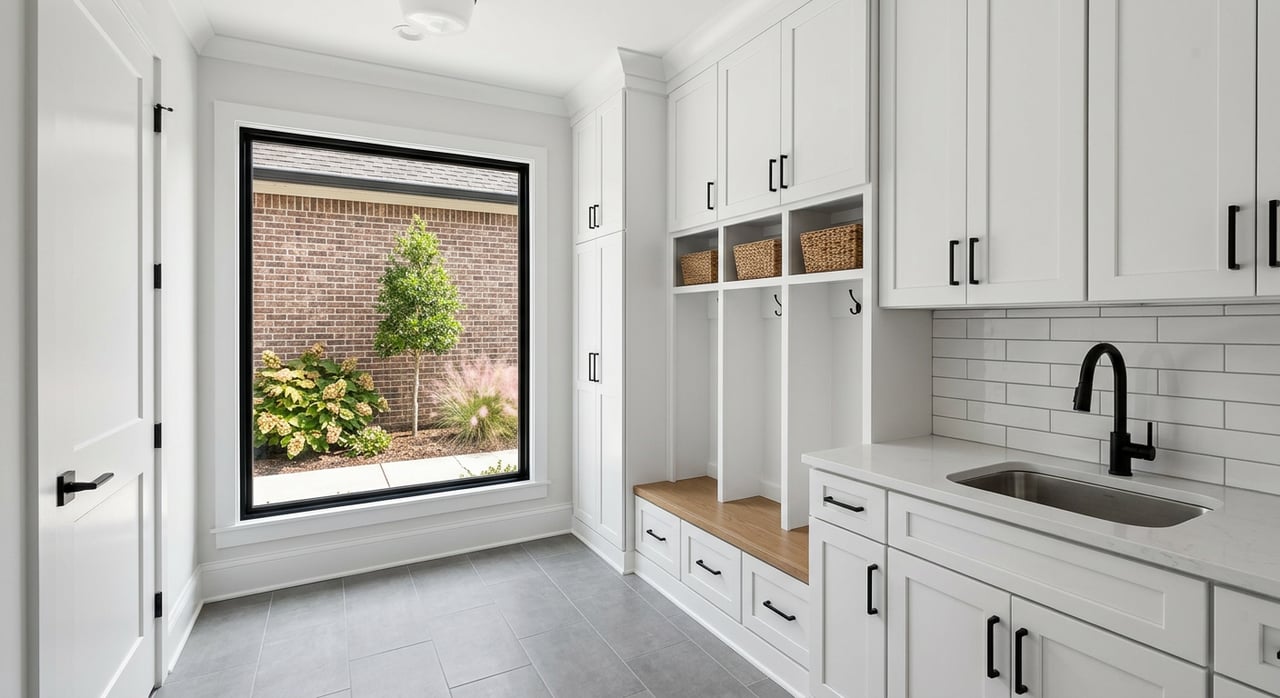
You can fall in love with a model home in minutes. The shine is real, but what you cannot see matters most. If you are building or buying new construction in Athens or Limestone County, your goal is a home with solid bones, smart systems, and clean documentation. This guide shows you how to evaluate build quality, what to ask at walk‑throughs, and which papers to collect so you can close with confidence. Let’s dive in.
Athens factors that affect quality
Before you focus on finishes, confirm the basics that keep your home safe, durable, and easy to maintain.
- Permits and occupancy. The City of Athens uses a staged inspection process that leads to a Certificate of Occupancy. Ask the builder for the permit file and final CO before closing. You can review the City’s inspection process here: City of Athens building inspections.
- Utilities. Athens Utilities serves much of the city and county. Confirm whether the lot is on city water and sewer or a private well/septic, and request receipts for tap or impact fees if applicable. Check service details on the Athens Utilities water and sewer page.
- Termites. North Alabama has meaningful termite pressure. Ask what prevention the builder uses and whether you will receive a treatment record or baiting plan. Learn about termite pressure in North Alabama and plan documentation accordingly.
- Soils and foundations. On sloped or low‑lying lots, or where shrink‑swell clay is present, ask for a soils report or engineer’s letter and the foundation design. The International Residential Code calls for soils investigation where conditions warrant. See the IRC soils investigation reference for context you can use in questions.
Start with livability and layout
Begin with the floor plan because it drives daily comfort and long‑term value.
- Traffic flow: Is the path from garage to kitchen efficient? Are bedrooms buffered from living areas?
- Flex rooms: Clarify size, closet setup, and electrical for future use as an office or bedroom.
- Storage: Count closets, pantry space, and note mechanical access. Make sure you can reach HVAC filters easily.
These items are hard and costly to fix later, so confirm them early.
Structure and envelope first
The frame, foundation, and weather barrier protect your investment. The best time to check them is before drywall.
- Pre‑drywall visibility: Review framing quality, beam and truss connections, window and door flashing, and the continuous water‑resistive barrier behind siding. The ASHI pre‑drywall inspection standard outlines what a qualified inspector should review at this stage.
- Drainage and grading: The site should push water away from the foundation, and downspouts need clear discharge points. Ask to see the approved plot plan that shows finished grades and drainage paths, and verify on site after a rain if possible.
Systems and performance checks
Comfort, efficiency, and reliability depend on proper sizing and installation of mechanical, electrical, and plumbing.
- HVAC: Ask for the load calculation or design summary. Ducts should be supported, sealed at joints, and free of obvious gaps.
- Insulation and air sealing: Look for consistent insulation, sealed top‑plate penetrations, and attention to attic and exterior wall cavities. If the home was rated, ask for documentation that explains the score. The HERS energy rating overview shows how third‑party ratings verify performance.
- Plumbing: Test water pressure, hot water delivery time, and drains at final. Under sinks, check for visible leaks and clean, supported piping.
Don’t be fooled by finishes
Model homes almost always include upgrades. Ask for the builder’s spec sheet that lists base‑price inclusions and an itemized upgrade list with prices. Expect touch‑ups for paint and caulk on the punch list, but do not accept problems with doors or windows that do not operate smoothly, pronounced floor unevenness, or any sign of water intrusion.
Inspections and timing that protect you
Independent inspections are a smart safeguard on new construction.
- Pre‑foundation (optional): Useful for complex lots to verify site prep and footings.
- Pre‑drywall (strongly recommended): Your best chance to see structure, WRB, and rough‑ins before walls close, guided by the ASHI standard noted above.
- Full new‑home inspection: Schedule before closing to cover roof, attic, systems, finishes, and site drainage. Typical national ranges put general inspections around a few hundred dollars; national home inspection cost ranges can help you budget.
- 11‑month inspection: Re‑inspect around month 10 or 11 to capture items under the one‑year workmanship warranty. See consumer guidance on 11‑month inspections.
Hire an inspector experienced in new construction, and ask for sample reports from recent builds.
Warranties and contracts to verify
Read all warranty and contract language, and get clarity in writing.
- Alabama nuance: Alabama licenses residential builders, but state law does not require a written home warranty. Do not assume one exists unless it is in your contract. Confirm the builder’s license status and warranty details using the Alabama Home Builders Licensure Board FAQ.
- Typical structure: Many builders use a common “1‑2‑10” style arrangement. Coverage varies by provider, so review exclusions and claim procedures. For a general primer, see a common 1‑2‑10 warranty structure.
- What to confirm: Who handles warranty work, expected response times, whether coverage is transferable on resale, and whether a third‑party insurer backs the warranty. Require a full permit history and the final Certificate of Occupancy before closing.
Walk‑through checklists you can use
Use these lists at your pre‑drywall visit and final walk.
Documents to collect early
- Builder spec sheet with inclusions and itemized upgrades in writing.
- Permit file showing passed inspections and the CO status from the City of Athens.
- Approved plot plan that shows finished grades and drainage.
- Any soils or foundation engineering report, with the engineer’s name and date.
- Written warranty and claim instructions, including contacts and response timelines.
- Termite pre‑treat or baiting documentation and a service plan if provided.
- Energy verification documents if the home was HERS rated or ENERGY STAR certified.
Pre‑drywall checks
- Framing: Consistent stud spacing, correct joist and beam connections, labeled engineered members that match the plan.
- Air sealing and fireblocking: Sealed top‑plate penetrations and proper blocking where required.
- Electrical rough‑in: Neat cable runs, properly stapled wiring, boxes placed and secured, visible splices only in junction boxes.
- Plumbing rough‑in: Proper slope on drains, secure supports, and clear vent paths.
- HVAC: Supported and sealed duct runs, adequate returns for each living zone, sealed boots.
- Openings: Window and door flashing details visible from the interior, with WRB properly lapped.
Final walk‑through: exterior first
- Roof and gutters: Shingles set, flashing at valleys and penetrations, gutters and downspouts attached and discharging away from the foundation.
- Siding and trim: Straight lines, sealed joints, no gaps that allow water entry.
- Grading and drainage: Positive slope away from the home, no ponding after rain, downspouts extended.
- Flatwork: Driveway and sidewalk free of major cracks or trip hazards.
- Garage door: Smooth operation and safety reversal sensors at proper height.
Final walk‑through: interior and systems
- Doors and windows: Open and close smoothly, locks work, seals intact.
- Floors and walls: Even floor transitions, consistent paint coverage, document any hairline cracks.
- HVAC and water heater: Test heating and cooling modes, thermostat, and water temperature; verify access to the TPR valve.
- Electrical: Test outlets, including GFCI and AFCI in required locations; open the panel and verify breaker labeling.
- Plumbing: Run every faucet and shower, check pressure and drainage, look under sinks for leaks.
- Appliances: Run the oven, dishwasher, disposal, and vent hood; confirm manuals are present.
- Finishes: Cabinet alignment and soft‑close, straight grout lines, clean caulk at sinks and windows.
Smart questions to ask your builder
- “Can you give me the base spec and an itemized list of what in the model is an upgrade?”
- “Who administers the written warranty, and is it transferable?”
- “Do you have the approved plot plan and final grade certificate for this lot, and how is drainage routed?”
- “Was a soils report or foundation engineering letter completed for this lot, and may I review it?”
- “What termite protection is included, and will I receive the treatment record?”
- “Who handles warranty service, and what are response times for urgent versus routine items?”
- “What is the status of municipal inspections and the Certificate of Occupancy for this home?”
- “Is the home enrolled in any energy‑rating program like HERS or ENERGY STAR, and can I see the documentation?”
Punch list that actually gets done
Create one consolidated, time‑stamped punch list with photos. Email it to the builder’s warranty contact, not just the site agent. Ask for written confirmation that lists each item, who will do the work, and target completion dates. Keep all messages, photos, and updates in a single folder so you have a clean record if you need follow‑up.
Red flags to pause on
- No permit history or missing final inspection signatures in the file.
- Standing water near the foundation or downspouts that dump at the slab.
- Large cracks in foundation elements, obvious movement, or a persistent musty crawlspace smell.
- Pressure to skip independent inspections or refusal to allow your inspector on site at pre‑drywall or final.
Next steps
- Bring a buyer’s agent experienced in new construction to every walk‑through and meeting.
- Hire an independent inspector for pre‑drywall, final, and your 11‑month re‑inspection.
- Collect permit, CO, warranty, termite, utility, and energy documents before closing.
- Keep your punch list organized and in writing so items are completed promptly.
If you want a second set of eyes on a plan, a lot, or a punch list, I am happy to help you think it through. As a licensed Alabama builder and local broker, I can walk you past the shine and into the details that matter. Ready to buy new with confidence in Athens? Schedule a free consultation with Allison Chappell.
FAQs
What inspections should I order for new construction in Athens?
- Schedule a pre‑drywall inspection, a full home inspection before closing, and an 11‑month inspection to capture warranty items that show up after move‑in.
How do I confirm my Athens new home passed city inspections?
- Ask the builder for the full permit file and the final Certificate of Occupancy, which reflects the City of Athens’ staged inspections and sign‑offs.
Do Alabama builders have to provide a written warranty?
- No, Alabama law does not require a written warranty, so insist on one in writing and verify who backs it and how claims are handled.
What is a 1‑2‑10 builder warranty?
- It often means one year for workmanship, two years for certain systems, and ten years for major structural items, but coverage varies by provider so read the policy closely.
How do I verify water and sewer for a new Athens home?
- Confirm with the builder and Athens Utilities whether the lot is tied to city water and sewer or a private system, and request connection receipts if applicable.