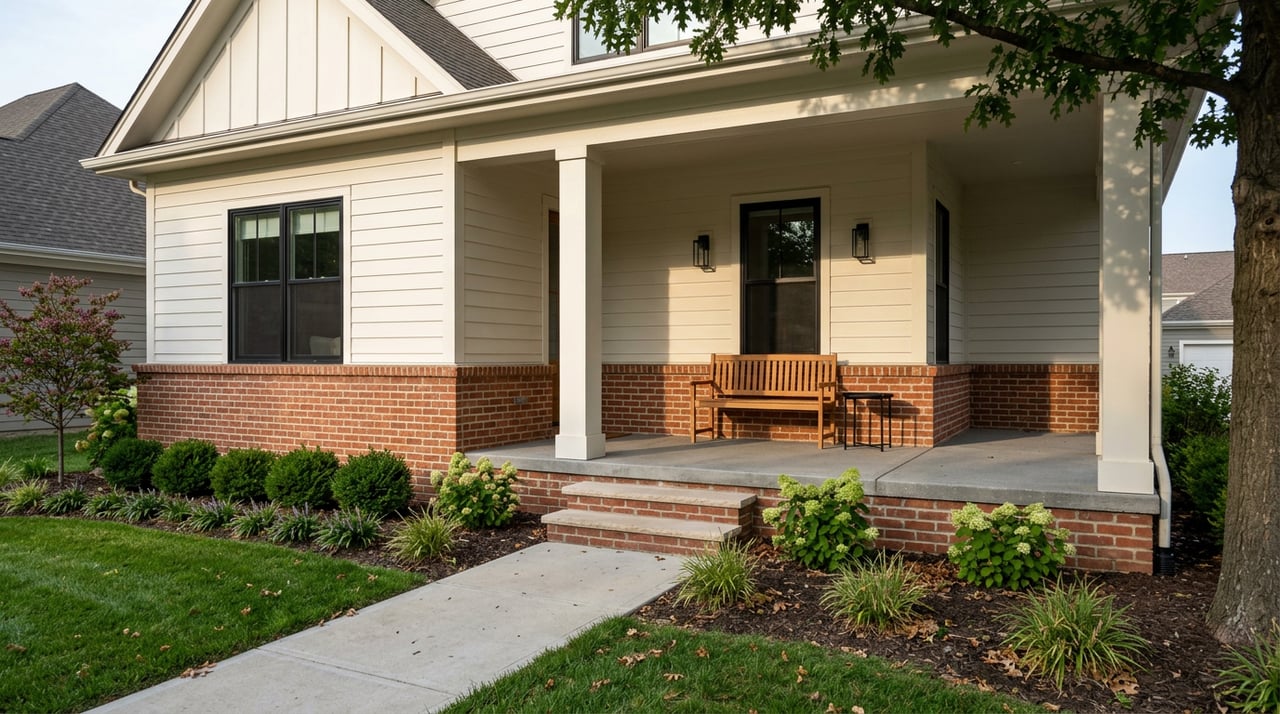
Considering a move to Franklin, Tennessee? You’re not alone. This Williamson County seat blends a walkable historic core with convenient suburban living, giving you options whether you want quiet streets, new construction, or easy retail access. In this guide, you’ll get a clear look at housing, commute basics, everyday amenities, and local highlights so you can decide if Franklin is the right fit. Let’s dive in.
Franklin at a glance
Franklin sits about 20 miles south of Nashville and serves as Williamson County’s hub. You’ll find a compact downtown wrapped in 19th‑century architecture and brick sidewalks, surrounded by established neighborhoods and planned communities. The city’s historic roots are documented in the local Historic Preservation Plan, which explains why downtown feels so distinct and well cared for. You can review that context in the city’s Historic Preservation Plan.
Population-wise, Franklin holds a steady mid-size feel. U.S. Census QuickFacts estimates the 2024 city population at 89,142, with an owner-occupied housing rate around 64%. Those figures are helpful for baseline context when you compare Franklin to neighboring communities.
Location and commute
Franklin is roughly 20 to 22 miles from downtown Nashville. Typical off-peak drives often land in the 25 to 35 minute range; rush-hour times can stretch longer, especially on I‑65 and major approach roads. For a quick sense of distance and routing, check the Franklin to Nashville drive distance, then test your commute during your usual departure windows.
U.S. Census QuickFacts shows a mean travel time to work of about 23.9 minutes for Franklin residents. Keep in mind that number blends local and regional commutes. If you plan to drive into central Nashville, sample both a weekday morning and evening trip to see real-world conditions.
Local transit options
Within the city, Franklin Transit runs fixed routes and a demand-response service called TODD (Transit On Demand). These routes are best for short local trips, errands, and connections between neighborhoods and shopping areas. Regional commuter services exist, but most Nashville-bound workers still drive.
Housing market snapshot
As of early 2026, major market aggregators reported a wide price band. Closed-sale medians have hovered in the low-to-mid $800Ks in recent snapshots, while some datasets show median listing prices above $1 million. Each source measures something different, so numbers vary by method and by neighborhood. If you want the most accurate picture for a specific street or subdivision, check the latest MLS data for that micro-market.
A few helpful notes as you compare:
- Closed-sale medians reflect recent deals; listing medians skew higher based on what’s currently on the market.
- Neighborhood mix matters. Historic cottages, townhomes, and luxury homes can all sit within a few miles of each other.
- The Census’ multi-year median owner value gives helpful long-term context, but it will not match a single month of MLS sales data.
Neighborhoods and lifestyle fit
Franklin’s strength is choice. You can live steps from coffee and concerts, near a major office and retail hub, or in a planned community with pools and trails. Here’s how the main areas break down.
Historic Downtown Franklin
If you want walkable evenings and a strong sense of place, you’ll likely start here. Streets around the public square and Main Street feature brick sidewalks, boutiques, restaurants, and civic events led by the Downtown Franklin Association. Housing includes restored cottages, townhouses, and select condo buildings on smaller lots. The headline amenity is simple: you can park the car and enjoy short local trips.
What to know:
- Smaller lot sizes and older homes are common; renovations add charm and complexity.
- Inventory can be tight for original-condition homes and fully updated properties alike.
- You’ll trade yard space for location and character.
Cool Springs and east Franklin
Cool Springs is Franklin’s commercial and office center, anchored by major retail and hotels near I‑65. If you value quick access to shopping, chain and upscale dining, and corporate offices, this area checks the boxes. The setting is more suburban and mixed-use than historic. You’ll find a range of townhomes, newer subdivisions, and established single-family streets nearby.
What to know:
- Faster highway access and abundant retail are the big wins.
- Neighborhoods vary from older subdivisions to newer infill; tour a few to compare.
- Expect a car-forward lifestyle with ample services close by.
Master-planned communities
Developments like Westhaven, Berry Farms, Fieldstone, and Ladd Park are designed with daily convenience in mind. You’ll typically see community pools, trails, pocket parks, and event programming, plus a mix of townhomes and single-family homes.
What to know:
- Amenity packages and HOA services vary; compare fees and what they include.
- Newer construction can mean lower initial maintenance and more energy-efficient systems.
- On-site shops and dining in select communities add everyday convenience.
Rural and semi-rural edges
If you prefer space and privacy, look to the outer areas south and west of the city, including parts of Arrington and the county outskirts. You’ll find larger parcels, hobby farms, and long views, often within a 20 to 40 minute drive of downtown Franklin.
What to know:
- Lot size and zoning vary widely; check county maps and restrictions before you buy.
- Plan for longer drives to major retail and schools.
- Well and septic considerations may apply; inspections matter.
Parks, culture, and everyday fun
Franklin’s parks system and historic venues support a full local calendar. The city’s Parks Department maintains open space, pavilions, and event rentals; start with the Parks rental and information page to see what’s nearby. Local favorites include The Park at Harlinsdale Farm for wide-open fields, walking paths, and an equestrian backdrop, and Pinkerton Park for riverfront trails and play areas.
Downtown adds arts and history to the mix. The Franklin Theatre hosts live music, films, and special events; check the events calendar when you plan a night out. For historic context, you can tour Civil War–era sites such as the Lotz House. Community traditions fill the year as well, including the spring Main Street Festival and the Downtown Franklin Association’s seasonal line-up. Always confirm dates before you go since schedules change.
On the shopping and dining front, you’ll find independent restaurants and boutiques around Main Street, plus The Factory’s vendors and eateries. For big-box goods and chain dining, Cool Springs has you covered.
Schools and zoning basics
Franklin addresses are primarily served by Williamson County Schools. Always verify attendance zones for a specific property before you make an offer; boundaries change over time, and streets in the same city can map to different schools. For enrollment steps, transportation, and zone maps, use the district’s official site.
When you compare homes, look at:
- Current school zones for the exact address
- Program offerings that match your needs
- Drive times during your family’s typical schedule
How to choose your fit
Use these steps to narrow your search with confidence:
- Define your budget range. Factor in HOA dues, likely insurance, and maintenance. Franklin’s price spectrum is wide, so decide what tradeoffs you’re willing to make for location, age, and updates.
- Test your commute. Drive to your key destinations at least twice during rush hour and once off-peak. Start with a route plan using the drive distance tool, then validate it on the road.
- List your daily routines. If you want walkable dinners and live events, center your search near downtown. If you want fast retail access and corporate offices, weigh Cool Springs and nearby subdivisions. If you want amenities on-site, compare master-planned communities.
- Decide on new vs. older homes. Newer builds can offer modern layouts and efficiency; historic and older homes offer character and walkable settings. Balance maintenance, renovation appetite, and inspection findings.
- Check timing and inventory. If you’re relocating on a timeline, prep early, review coming-soon listings, and be ready to tour quickly when the right fit appears.
Buyer tips for Franklin
- Get pre-approved before you tour; competitive price points move fast.
- Compare micro-markets rather than the citywide median. Downtown, master-planned, and luxury pockets each behave differently.
- When you like a home, ask for a quick comp review and repair history. This helps you decide on price, terms, and any improvement budget.
- If a home needs work, price the must-do items first. Newer roofs, HVAC, and windows can change your long-term costs.
Seller tips for Franklin
- Anchor your price to the most recent, truly comparable sales in your micro-market.
- Prep for market with clean, bright staging and strong media; buyers here respond well to crisp presentation.
- Tackle easy-condition wins early: paint touch-ups, landscaping, light fixtures, and service records.
- Time your launch to local rhythms. Event weekends can drive more out-of-town traffic; holiday stretches can quiet showings.
Bottom line
If you want historic charm, a vibrant main street, and access to one of Middle Tennessee’s strongest suburban economies, Franklin deserves a spot on your shortlist. You get a blend of character homes, modern conveniences, and a calendar full of community events. The key is matching your budget and lifestyle to the right micro-market, then moving with a clear plan.
If you’re ready to compare neighborhoods, map out a commute, or price a sale, schedule a quick consult with Allison Chappell. We’ll build a strategy that fits your timeline and goals.
FAQs
How far is Franklin from downtown Nashville?
- Franklin sits about 20 to 22 miles south of downtown. Off-peak drives are often 25 to 35 minutes; rush-hour trips can run longer. Start with this drive distance reference and test your route.
Is downtown Franklin walkable for dining and shops?
- Yes. The Main Street area is pedestrian-friendly with restaurants and boutiques, supported by the Downtown Franklin Association. Most other areas are more car-oriented.
What do homes in Franklin typically cost in 2026?
- Recent snapshots show closed-sale medians in the low-to-mid $800Ks, with some datasets listing median asking prices above $1 million. Prices vary sharply by neighborhood and home size; check current comps for your exact area.
What public transit is available within Franklin?
- Franklin Transit runs fixed routes and a TODD on-demand service for local trips. Regional commuter options exist, but many Nashville-bound workers drive.
What parks and cultural venues stand out?
- The Park at Harlinsdale Farm and city pavilions are popular for everyday outings; start with parks info and rentals. For events and history, look to the Franklin Theatre’s events calendar and sites like the Lotz House.
Which school district serves Franklin addresses?
- Most addresses map to Williamson County Schools. Always confirm attendance zones for the specific property before you write an offer, since boundaries change over time.