Thinking about downsizing to Franklin sounds simple until you start looking at prices, property types, and the day-to-day lifestyle you actually want. If you are hoping to trade space for convenience, lower upkeep, and a better fit for this next chapter, Franklin can absolutely deliver, but it does not always mean a dramatically lower housing cost. This guide will help you think through budget, timing, home style, and lifestyle tradeoffs before you make your move. Let’s dive in.
Why Franklin attracts downsizers
Franklin offers a mix that many downsizers want: character, convenience, and access to everyday amenities. The city is known for its 15-block historic downtown, along with shopping, restaurants, festivals, historic resources, and major retail areas like Cool Springs.
That lifestyle appeal is a big reason people look here when they want a home that fits better without giving up things to do. You may be looking for less yard work, fewer unused rooms, or easier access to dining, parks, and community events. Franklin checks many of those boxes.
It is also a substantial city, not a small-town bargain market. Census QuickFacts reports Franklin had 83,454 residents in the 2020 Census, with a 64.3% owner-occupied housing rate and a median owner-occupied home value of $646,300 based on 2019 to 2023 ACS data.
Current market snapshots point even higher. Recent reporting showed median sale or list measures around the high $800,000s to over $1 million, depending on the source and the metric used, which means downsizing in Franklin is often more about improving fit and reducing upkeep than finding a much cheaper market.
Start with your real downsizing goal
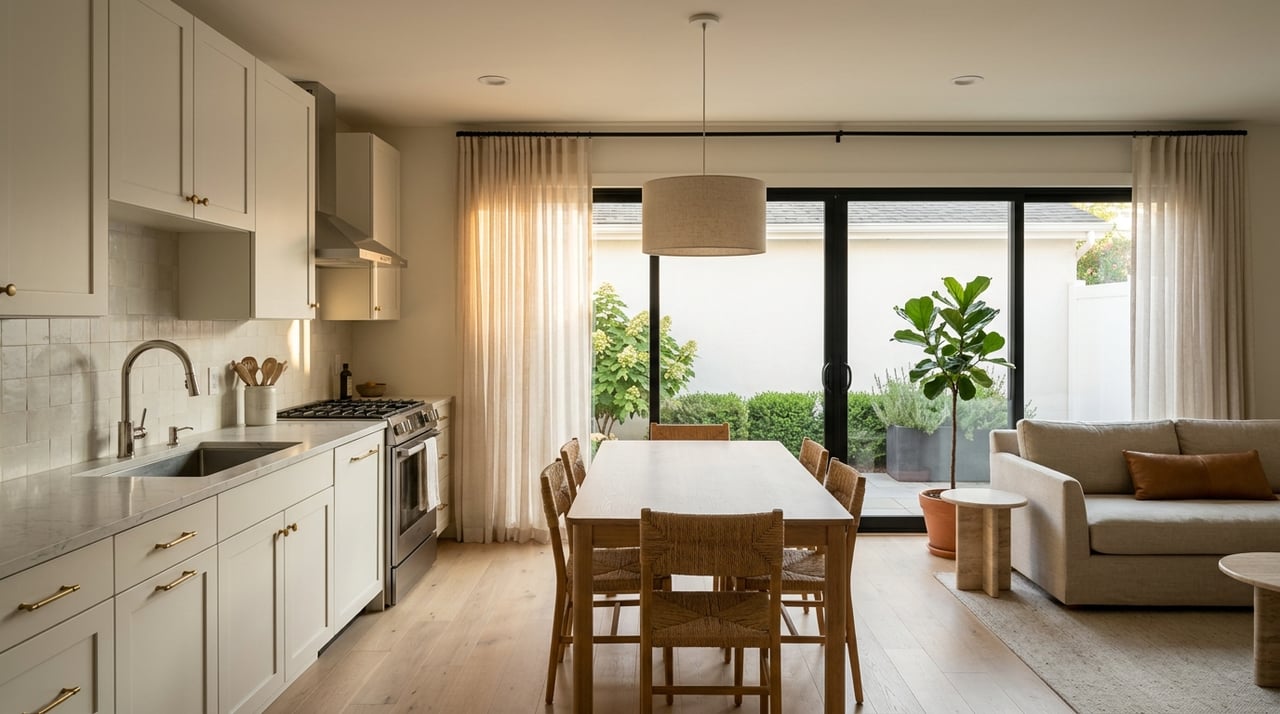
Before you tour homes, define what downsizing means for you. Some buyers want a smaller footprint. Others want one-level living, a lock-and-leave setup, or a location closer to shops, parks, or downtown activities.
That distinction matters because the best option is not always the smallest home. A well-planned detached home may fit your lifestyle better than a condo, while a townhome may offer the easier maintenance you want without giving up as much space.
I always recommend choosing your top priorities first, then matching the property type to those priorities. A clear plan helps you avoid paying for features you no longer need or giving up convenience you will miss later.
Questions to answer first
- Do you want less interior space, less exterior maintenance, or both?
- Do you want to stay close to downtown Franklin or Cool Springs?
- Do you want a detached home, townhome, or condo?
- Do you need fewer stairs or easier day-to-day access?
- Do you want more travel flexibility with a lower-maintenance setup?
- Do you need your current home sale to help fund the next purchase?
Compare Franklin housing options carefully
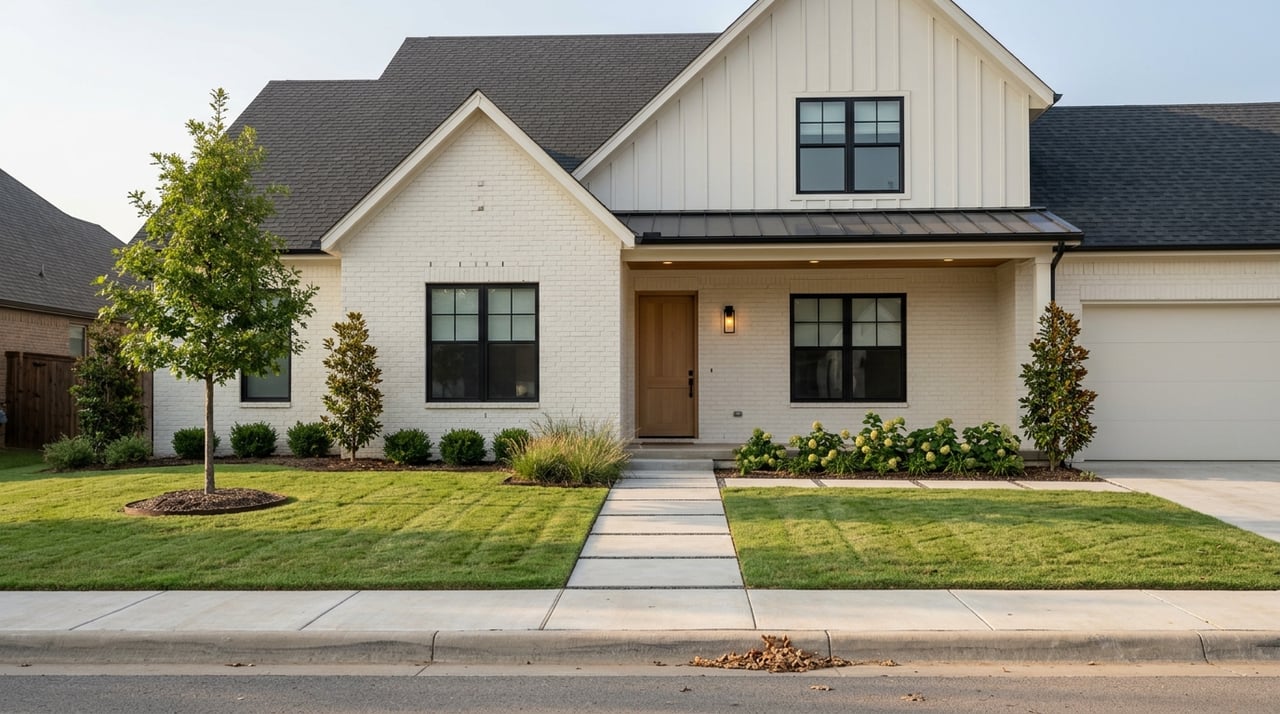
In Franklin, downsizing often means comparing a smaller detached home with a townhome or condo. There is no one-size-fits-all low-maintenance option, and active listings regularly appear in both townhome and condo categories.
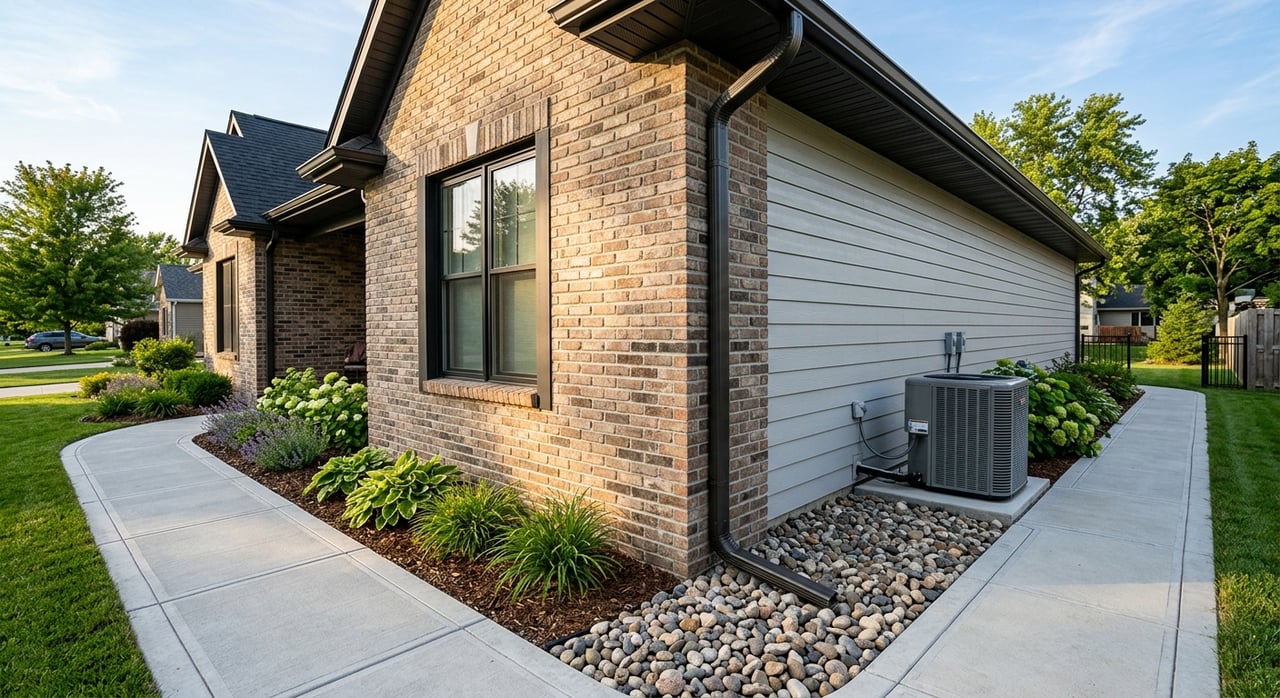
A smaller detached home can reduce square footage while still giving you privacy and more control over the property. But depending on the age of the home, you may still be responsible for yard care, exterior upkeep, and repairs.
Townhomes and condos may reduce some maintenance demands, which can be appealing if you want a more streamlined lifestyle. At the same time, those properties often come with homeowner association or condo fees, so the monthly cost may not feel as low as the square footage suggests.
What “low maintenance” may still include
- HOA or condo fees
- Exterior rules or design restrictions
- Shared walls or shared common areas
- Parking limitations or garage differences
- Ongoing monthly costs beyond mortgage payment
Fannie Mae notes that HOA or condo fees are common in condominiums, townhouses, and some planned communities, and those fees should be included in your monthly budget from the start.
Historic homes can come with extra review steps
Franklin’s historic character is part of its appeal, especially near downtown. But if you are considering an older home in a local historic district, it is important to understand that a smaller historic home may not always mean simpler ownership.
The City of Franklin says its historic preservation program includes design guidelines, certificate-of-appropriateness review, and project approval for work in local historic districts. That means exterior changes may involve added review and approval.
If you love the charm of an older home, this may be a worthwhile tradeoff. But if your goal is maximum simplicity, it is smart to ask early about any restrictions that could affect future repairs or updates.
Build a monthly budget, not just a price target
One of the biggest downsizing mistakes is focusing only on purchase price. In Franklin, your better question is: what will this home really cost you each month?
A practical way to think about that is the PITI framework: principal, interest, taxes, and insurance. Fannie Mae also points out that HOA or condo fees may need to be added to that number, and some lenders collect taxes and insurance through escrow.
This matters because a smaller home with a higher location premium, HOA fees, or a different tax line item may not lower your monthly spending as much as expected. A smart downsizing plan looks at the full payment, not just the list price.
Budget items buyers often miss
- Closing costs
- HOA or condo fees
- Moving expenses
- Utility setup fees
- Property taxes by exact address
- Insurance changes
- Cash reserves after closing
The CFPB says closing costs typically run about 2% to 5% of the purchase price, and Fannie Mae says they often run 2% to 5% of the mortgage amount. Fannie Mae also advises keeping a reserve of three to six months of essential expenses.
Check Franklin and Williamson County tax details
Property taxes are one of the easiest line items to underestimate when you move. Tennessee assesses residential property at 25% of appraised value, and local governments set the tax rates.
Williamson County’s 2025 tax rate sheet lists the countywide rate at $1.30 per $100 of assessed value, shows a Franklin and FSSD county-school total of $1.7673 per $100, and the City of Franklin lists its municipal rate at $0.296 per $100. Exact bills vary by address and taxing district, so you should confirm the tax line item before you make an offer.
Timing matters too. Franklin’s community guide says property taxes are due the first Monday in October and become delinquent March 1.
Plan around the sale of your current home
For many downsizers, the biggest question is not where to move. It is how to time the move.
If the sale of your current home needs to fund your next purchase, your timeline becomes more important. This is where closing costs, moving costs, and reserve funds can have a major impact on how flexible your next step feels.
If preserving cash is important, the CFPB notes that seller credits toward closing costs are sometimes negotiable, though those credits are often balanced by a higher purchase price. The right structure depends on your goals, your timing, and the specific property.
A strategy-first plan can help you decide whether to buy first, sell first, or coordinate both moves closely. That is especially important in a market like Franklin, where prices remain high and the margin for guesswork is smaller.
Think beyond the house itself
A downsizing move works best when your new home supports the life you want to live. In Franklin, that often means paying close attention to daily convenience rather than just square footage.
Downtown Franklin offers shopping, restaurants, galleries, antique stores, and festivals within its historic district. If you picture yourself walking to dinner, browsing local shops, or enjoying seasonal events, location may matter more than having an extra bedroom.
At the same time, practical details still count. The city says downtown parking is free, on-street parking is limited to two-hour increments, the two garages each have 300 spaces, and ADA parking is available. If you expect frequent downtown visits, parking access is worth considering.
Lifestyle features to weigh
- Distance to downtown Franklin or Cool Springs
- Access to restaurants, shopping, and events
- Proximity to parks, trails, or greenways
- Ease of parking and daily errands
- Transit options for local travel or Nashville trips
Franklin Transit provides fixed-route and on-demand curb-to-curb service six days a week, and the city also points residents to WeGo express service to Nashville. For some downsizers, that added mobility can be a real quality-of-life benefit.
Look at access to parks and programs
Franklin offers a wide range of outdoor amenities, including greenways, trails, historic parks, canoe access, disc golf, fishing, and a mountain bike trail system. Access varies by neighborhood, so it helps to think in terms of your day-to-day routine rather than assuming every area offers the same convenience.
Trust for Public Land reports that 21% of Franklin residents live within a 10-minute walk of a park. That does not mean every home will offer easy park access, but it does show why some buyers place a premium on specific locations.
Franklin also offers practical support for older residents, including a Senior Citizens Assurance Program and senior enrichment programs through the Williamson County Enrichment Center. If community programs matter to you, those resources are worth factoring into your search.
Use local events to test the fit
One of the best ways to decide whether Franklin matches your next chapter is to experience it in real life. The city highlights annual events such as the Main Street Festival, Fourth of July celebrations, PumpkinFest, the Veterans Day Parade, and Dickens of a Christmas.
If you are deciding between neighborhoods or debating whether to stay close to downtown, spend time there during the kinds of days you expect to enjoy after the move. A downsizing decision is not just about less house. It is about a better everyday rhythm.
Make your move with a clear plan
The best downsizing moves are intentional. In Franklin, that means balancing home type, monthly budget, tax details, timing, and lifestyle access before you commit.
If you want help comparing options, building a smart budget, and finding a home that truly fits the way you want to live, Allison Chappell can help you move with a clear strategy and steady support.
FAQs
What does downsizing in Franklin usually mean?
- In Franklin, downsizing often means reducing upkeep and improving lifestyle fit rather than moving to a dramatically cheaper housing market.
What home types should downsizers compare in Franklin?
- Many downsizers in Franklin compare smaller detached homes with townhomes or condos, since each option offers different tradeoffs in maintenance, fees, privacy, and convenience.
What monthly costs should Franklin downsizers budget for?
- You should budget for principal, interest, taxes, insurance, possible HOA or condo fees, closing costs, moving expenses, utility setup fees, and cash reserves after closing.
What should buyers know about Franklin property taxes?
- Tennessee assesses residential property at 25% of appraised value, local tax rates vary by address and district, and buyers should confirm the exact property tax line item before making an offer.
What should buyers know about historic homes in Franklin?
- If a home is in a local historic district, exterior changes may require design review and project approval through Franklin’s historic preservation process.
What lifestyle features make Franklin appealing for downsizers?
- Many buyers are drawn to Franklin for its historic downtown, shopping, restaurants, festivals, parks, trails, transit options, and community programs that support an active daily lifestyle.